

How long does a website redesign take? A plain-English guide to typical timelines by site size, the phases involved, and what speeds up or slows down launch.
A website redesign typically takes 6 to 12 weeks for a small to standard business site, while larger or more complex projects often run 3 to 6 months or longer. The honest answer to how long a website redesign takes is that it depends on the size of your site, how much custom work is involved, and-most of all-how quickly content and approvals come together. This guide breaks down the indicative timelines by site size, the phases each project moves through, and the practical things that speed up or slow down your launch.
There's no single "redesign duration" the way there's a delivery date for a physical product. A redesign is a collaborative project, so the timeline reflects both the build work and how responsive everyone is along the way.
TL;DR
- A website redesign typically takes 6 to 12 weeks for a small to standard business site, and 3 to 6 months or longer for larger or complex projects.
- Small sites (5 to 10 pages) usually take 4 to 8 weeks, standard business sites (10 to 25 pages) run 8 to 12 weeks, and complex or custom sites take 3 to 6 months or more.
- Every redesign moves through six phases: discovery and planning, design, build, content, quality assurance, and launch, with content usually running in parallel.
- Content readiness and approval speed, not design or code, are where most redesign timelines are won or lost.
- The fastest projects have content ready before design starts, a locked scope, and one nominated decision-maker who can approve quickly.
- Content delays, slow approvals, scope creep, and conflicting feedback from multiple stakeholders are the most common reasons a launch date slips.
Typical Website Redesign Timelines by Site Size
Below are indicative ranges based on what we typically see. Treat them as a guide rather than a fixed quote-your project could land faster or slower depending on scope and how prepared you are.
- Small site (5-10 pages). A straightforward brochure or local service site usually takes around 4 to 8 weeks. Think a home page, a few service pages, an about page, and contact. With a clear brief and content ready, these move quickly.
- Standard business site (10-25 pages). Most established small and medium businesses sit here, and a redesign typically runs 8 to 12 weeks. There's more content to write, more design variation across page types, and usually some integration work like booking, enquiry forms, or a blog.
- Complex or custom site (25+ pages, custom features). Larger sites, e-commerce, multi-location businesses, or projects with custom functionality often take 3 to 6 months or more. The extra time goes into custom design, development, data migration, and thorough testing.
The biggest variable across all three is rarely the design or the code-it's content readiness and how fast feedback comes back. We'll come back to that, because it's where most timelines are won or lost.
Find out if AI recommends your business
The Phases of a Website Redesign
Almost every redesign moves through the same six phases. Knowing what happens in each one makes the overall timeline far easier to understand and plan around.
Discovery and Planning (roughly 1-2 weeks)
This is where the project gets its direction. We work through your goals, audience, competitors, sitemap, and the actions you want visitors to take. Skipping or rushing discovery is one of the most common reasons a redesign drifts later, because design decisions made without a clear strategy tend to get reworked.
Design (roughly 2-4 weeks)
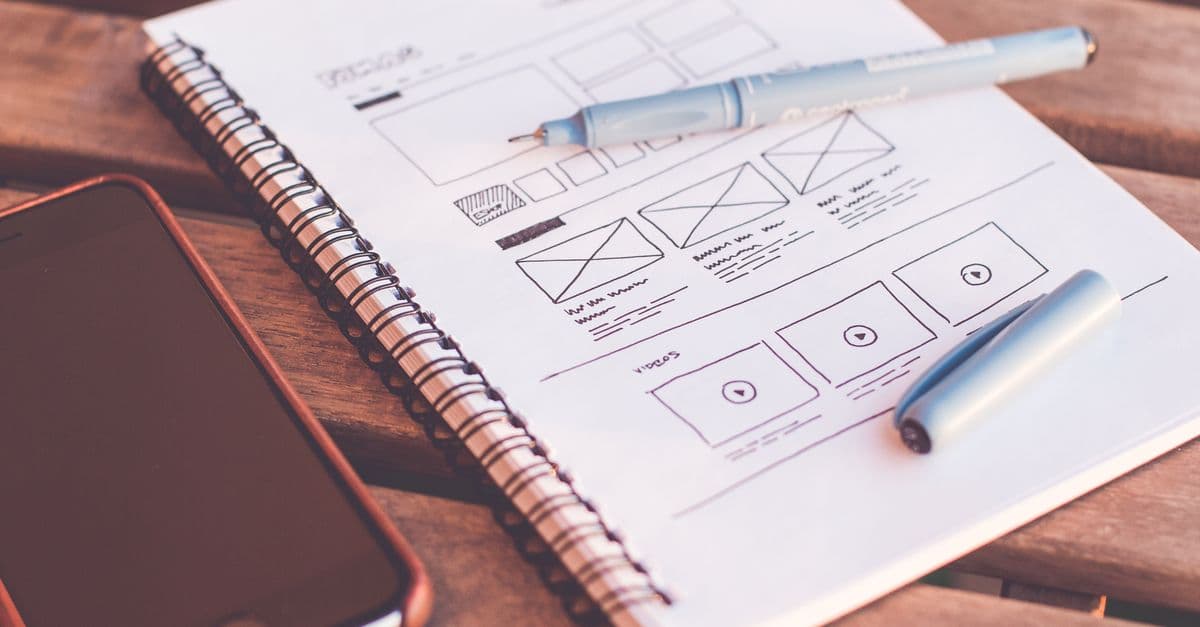
Wireframes and visual designs are created for the key page templates-usually the home page and the main page types-then refined through one or two rounds of feedback. This is the phase where your input matters most, and where slow approvals add the most delay.
Build and Development (roughly 2-6 weeks)
The approved designs are turned into a working, responsive website. Duration here scales with complexity: a template-based brochure site is fast, while custom functionality, integrations, or e-commerce stretch it out. This often overlaps with content work to save time.
Content (often runs in parallel, 2-4 weeks)
Copywriting, images, and any data being migrated from the old site. Content is the single most common cause of delay, which is why we treat it as its own workstream rather than an afterthought. Sites where content is ready early almost always launch on schedule.
Quality Assurance (roughly 1-2 weeks)
Testing across browsers and devices, checking forms, links, speed, accessibility, and SEO basics like redirects and metadata. This is not the place to cut corners-rushing QA is how avoidable issues end up live in front of customers.
Launch (a few days)
Final checks, DNS and hosting setup, redirects from old URLs, and going live. A careful launch protects the search rankings you've already earned, so the actual switch-over is deliberately methodical rather than rushed.
What Speeds Up vs Slows Down a Redesign
Two projects with identical scope can finish weeks apart. The difference almost always comes down to a handful of factors on the client side.
What speeds it up:
- Content ready early. Having your copy, images, and any logins or brand assets prepared before design starts is the single biggest accelerator.
- Fast, consolidated feedback. One clear round of feedback from a single decision-maker beats scattered comments trickling in over weeks.
- A clear brief and locked scope. Knowing what you want before you start prevents mid-project pivots.
- A nominated decision-maker. One person empowered to approve keeps things moving; approval by committee slows everything down.
What slows it down:
- Content delays. Waiting on copy or photography is the most common reason a launch date slips.
- Slow approvals. Every day a design sits waiting for sign-off is a day added to the timeline.
- Scope creep. Adding pages, features, or integrations after the project is underway resets parts of the schedule. New ideas are welcome-but they have a time cost.
- Too many cooks. Conflicting feedback from multiple stakeholders forces rework and stretches the design phase.
In our experience, the build itself rarely runs over. When a redesign takes longer than expected, content readiness and approval speed are usually the reason.
→ Not sure where you stand? Our free AI SEO audit tests the questions your customers ask and shows you the answer. Get the free AI audit.
Website Redesign Timeline at a Glance
| Phase | What happens | Indicative duration |
|---|---|---|
| Discovery & planning | Goals, sitemap, strategy, brief | 1-2 weeks |
| Design | Wireframes and visual templates, feedback rounds | 2-4 weeks |
| Content | Copywriting, imagery, data migration (often parallel) | 2-4 weeks |
| Build & development | Designs built into a responsive site | 2-6 weeks |
| Quality assurance | Cross-device testing, forms, speed, SEO checks | 1-2 weeks |
| Launch | DNS, redirects, go-live | A few days |
| Typical total | Small to standard business site | 6-12 weeks |
Because content runs alongside design and build rather than after them, the phases don't simply add up-overlap is why a project with weeks of individual tasks still lands inside a 6 to 12 week window.
How to Plan Around the Timeline
A little preparation can shave weeks off your project and remove most of the stress. A few practical pointers:
- Start gathering content now. Even before you choose a provider, begin collecting copy, photos, testimonials, and logins. It's the work most likely to hold things up, so getting a head start pays off.
- Pick your decision-maker upfront. Decide who has final say on design and content so feedback is fast and consistent.
- Lock your scope before you begin. Agree on the page count and features at the start, and park new ideas for a phase two rather than bolting them on mid-build.
- Build in a buffer. If you have a hard deadline-a campaign, an event, a season-add a couple of weeks of contingency rather than planning to the wire.
- Plan the launch around your business. Avoid going live the day before your busiest period, so there's room to monitor and fine-tune.
If you're weighing up whether the timing is right at all, our guide on when to invest in a website redesign walks through the signals worth watching. And you can see how we structure projects on our web design services page.
When a customer asks ChatGPT who to call, whose name does AI give?
We test the real questions your customers ask across ChatGPT, Perplexity and Google AI, then show you which service businesses get named instead of you and what it takes to change that. Free, no pitch.
Check my AI visibility →Frequently Asked Questions
How long does a website redesign take on average?
Most small to standard business websites take 6 to 12 weeks to redesign. Smaller brochure sites can be done in 4 to 8 weeks, while larger, custom, or e-commerce projects often run 3 to 6 months. The biggest variable is how quickly content and approvals come together.
Why do website redesigns take so long?
The build itself is rarely the bottleneck. Most delays come from content not being ready, slow or conflicting feedback, and scope creep-new pages or features added after the project starts. Projects with content prepared early and a single decision-maker almost always finish faster.
Can a website redesign be done faster?
Yes. The fastest projects have their content and brand assets ready before design begins, a clear locked scope, and one person who can approve quickly. A template-based small site with everything prepared can launch in a few weeks. Rushing quality assurance, however, is a false economy.
How long should I allow for content and approvals?
Plan for content to take at least 2 to 4 weeks and treat it as a real task with an owner and a deadline, not something squeezed in at the end. For approvals, aim to turn feedback around within a few days at each stage to keep momentum.
The Bottom Line
There's no single answer to how long a website redesign takes-but for most small and medium businesses, 6 to 12 weeks is a realistic window, with larger projects running longer. The timeline is shaped less by the design and code than by how prepared you are: have your content ready, nominate a decision-maker, lock your scope, and feedback fast. Do those four things and your redesign will land close to schedule.
If you'd like to know what your current site needs before you start, grab a free website audit and we'll show you exactly where you stand.