

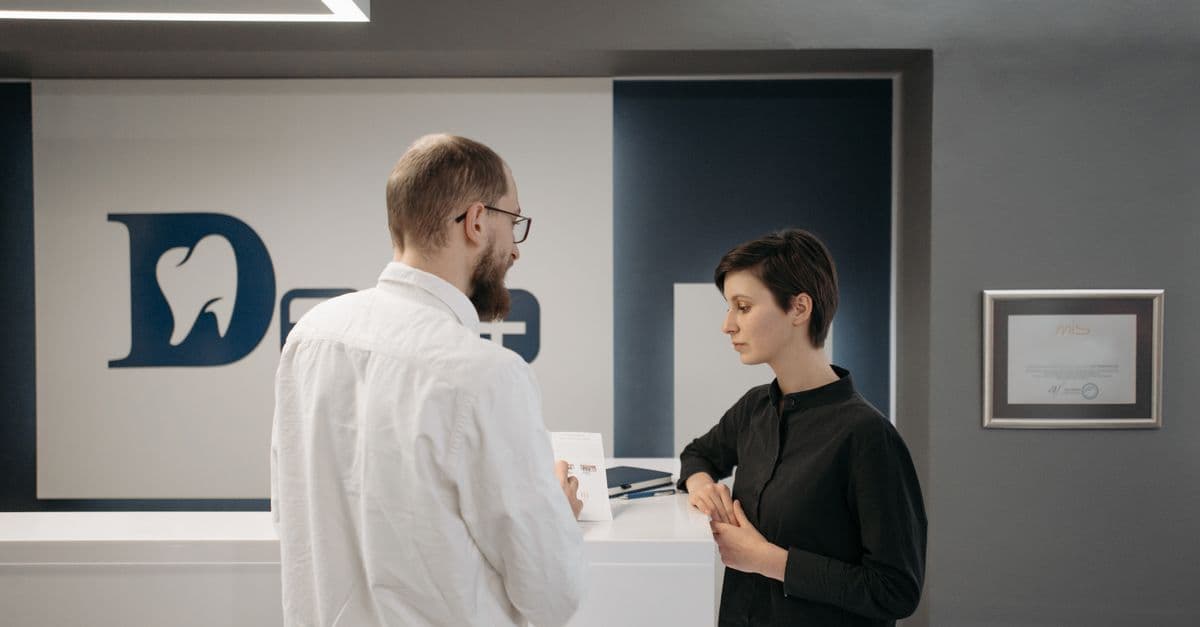
A practical 2026 guide to dental practice digital marketing in Australia-website, local SEO, reviews, Google Ads, AI visibility and ROI tracking.
Dental practice digital marketing in 2026 comes down to a handful of channels working together: a fast, bookable website; a fully optimised Google Business Profile and local SEO; a steady stream of genuine patient reviews; helpful content about the conditions and treatments people search for; targeted Google Ads for high-intent searches; and visibility inside AI answers from tools like ChatGPT and Google's AI Overviews. Get those right, measure the new patients each one produces, and you have a marketing engine rather than a pile of disconnected tactics.
This guide walks through each channel for Australian dental practices, with an emphasis on what actually moves the needle. Throughout, we keep the tone appropriate for a regulated health profession-no exaggerated promises, no "best dentist" claims, and nothing that an AHPRA-aware marketer would flag. The goal is steady, ethical growth: more of the right patients finding you, booking, and coming back.
TL;DR
- Dental practice digital marketing in 2026 comes down to a handful of channels working together: a fast, bookable website, local SEO and Google Business Profile, genuine patient reviews, helpful content, targeted Google Ads, and visibility inside AI answers.
- Your website is the centre of the system; making booking effortless is usually the single biggest lever on new-patient volume.
- Google's local pack rankings lean on relevance, distance and prominence, which makes a fully optimised Google Business Profile the most important free asset a practice has.
- Reviews influence local rankings and patient choice at once: ask at the right moment, make it one tap, never incentivise or fake them, and respond without disclosing patient information.
- Google Ads brings new patients fastest, especially for emergency searches and high-value treatments, while local SEO, reviews and content deliver a better long-term cost per patient once established.
- Much of what makes you visible to AI answer engines overlaps with strong SEO: clear self-contained answers, question-style headings, relevant schema markup and consistent, accurate facts.
- Judge marketing by new patients booked and their lifetime value, not impressions and clicks, and keep every claim factual and conservative under AHPRA advertising obligations.
Your Website and Online Booking
Your website is the centre of dental practice digital marketing. Every other channel-search, ads, social, AI-eventually sends people there, and if the site is slow, confusing or hard to book on, that traffic leaks away.
For a modern dental practice site, prioritise:
- Speed on mobile. Most people searching for a dentist are on a phone. A site that loads in a couple of seconds keeps far more of them than one that takes five or six.
- Obvious booking. A "Book Online" button in the header and repeated through the page. Ideally it connects to your practice management or online booking system so patients can self-schedule without phoning.
- Click-to-call. A tappable phone number is still the most common conversion for dental practices, especially for emergencies and anxious patients.
- Clear service pages. Separate pages for the treatments you offer-general check-ups, hygiene, fillings, crowns, implants, orthodontics, emergency care-rather than one long "Services" page.
- Trust signals. Practitioner profiles with real qualifications, photos of the actual practice, health fund and payment information, and parking or accessibility details.
- Accessible, honest copy. Describe what a treatment involves and what to expect, without guaranteeing outcomes. Calm, factual language suits both patients and the regulator.
If you only fix one thing this year, make booking effortless. A beautiful site that buries the "Book" button is a leaky bucket. When we rebuild sites for the dentists we help, reducing the steps between "I want an appointment" and "it's confirmed" is usually the single biggest lever on new-patient volume.
→ Not sure where you stand? Our free AI SEO audit for dental practices tests the questions your customers ask and shows you the answer. Run my free audit.
Local SEO and Your Google Business Profile
When someone searches "dentist near me" or "emergency dentist [suburb]", Google shows a map with three highlighted listings-the local pack-above the regular results. Ranking there is one of the highest-value outcomes in dental practice digital marketing, because those searchers are ready to book now.
Google's local ranking leans on three things: relevance (does your profile match the search), distance (how close you are to the searcher) and prominence (how established and trusted you appear). You can't move your practice closer to everyone, so prominence and relevance are where your effort goes.
Optimise the Google Business Profile
Your Google Business Profile is the most important free asset you have. Work through it carefully:
- Primary category: "Dentist" or a more specific option like "Dental clinic", "Cosmetic dentist" or "Orthodontist" where it genuinely fits.
- Secondary categories for the real services you provide.
- Accurate hours, including public holidays and any emergency availability.
- Real photos of the practice exterior, reception, treatment rooms and team-not stock imagery.
- Services and attributes completed, such as wheelchair access, languages spoken, and whether you accept new patients.
- Regular Google Posts about the practice-new practitioners, health fund updates, seasonal reminders.
- Q&A seeded with the questions patients actually ask (parking, health funds, what to bring to a first visit).
Get the website foundations right
- NAP consistency: your Name, Address and Phone number must match exactly across your website, Google Business Profile and every directory.
- Suburb pages: if you draw patients from several suburbs, build a genuinely useful page for each, with unique content about that area-not thin, copy-pasted duplicates.
- LocalBusiness or Dentist schema on your key pages so search engines understand your location, hours and services.
- Australian directories: consistent listings on True Local, Yellow Pages, Hotfrog, health fund "find a provider" tools and relevant local listings.
For a deeper, dental-specific walkthrough, our dental SEO guide covers the ranking factors in detail, and SEO for dentists lays out a full program for growing a practice through search.
Reviews and Online Reputation
For a dental practice, reviews do two jobs at once: they influence whether you appear in the local pack, and they're often the deciding factor when a nervous patient chooses between you and the practice down the road.
A healthy review profile generally has:
- A solid overall rating built from a reasonable number of reviews.
- Recency-a steady trickle of new reviews signals an active, current practice.
- Responses from the practice to both positive and negative feedback.
A simple, compliant system for gathering reviews:
- Ask at the right moment-after a positive visit, with a friendly SMS or email containing a direct link to your Google review page.
- Make it effortless-one tap to the review form, no logins or hoops.
- Never incentivise reviews, never write or buy fake ones, and never pressure patients. Beyond being against platform rules, this is exactly the kind of conduct health-profession advertising standards take a dim view of.
- Respond carefully. Thank people for positive reviews. For negative ones, reply professionally and-importantly-never disclose any patient's health information or confirm they were a patient. Move specifics to a private channel.
Handled well, reviews compound quietly over months into one of your strongest assets. Handled carelessly, they become a liability. The careful path is also the compliant one.
When a cracked tooth on a Saturday, whose name does AI give?
Content and Condition Pages
Content marketing for dentists works when it answers the real questions patients type into Google before they book. This is also where you build the topical authority that helps every other page rank.
Think in terms of the questions a worried or curious patient asks:
- Treatment explainers: "What happens during a dental implant?", "How long do braces take?", "What's involved in a root canal?"
- Cost and process pages: "How much does teeth whitening cost in Australia?", "Do health funds cover orthodontics?" Be transparent about ranges and the factors that affect them, and avoid promising a specific price.
- Symptom and "what to do" pages: "What to do for a knocked-out tooth", "Is a cracked tooth an emergency?"-genuinely useful, and a natural fit for emergency-dentist searches.
- First-visit and anxiety content: what to expect, how the practice supports nervous patients, accessibility and sedation options where relevant.
Two rules keep this content effective and appropriate:
- Be helpful, not promotional. Explain the topic the way a good clinician would in the chair-clear, factual, reassuring.
- Don't make clinical claims you can't support. Describe what a treatment generally involves and what patients commonly experience; don't guarantee results, and if you cite a statistic, make sure it comes from a credible source rather than a marketing blog. A cited, verifiable figure is always better than an invented one.
Good condition pages also feed your AI visibility, because they're exactly the kind of clear, well-structured passages that AI answer engines like to quote.
Google Ads for Dental Practices
SEO and reviews build over months. Google Ads buys visibility today, which makes it valuable for filling appointment gaps, launching a new practice, or competing for high-value, high-intent searches.
Where ads tend to earn their keep for dental practices:
- Emergency and urgent searches-"emergency dentist [suburb]", "toothache dentist open now". These convert quickly because intent is high.
- High-value treatments-implants, Invisalign, cosmetic work-where one new patient comfortably covers the ad spend.
- New-patient and check-up offers, subject to health-advertising rules about how offers and discounts are presented.
To keep ads efficient:
- Tight geo-targeting around your actual catchment, not the whole metro area.
- Negative keywords to filter out students, job seekers and DIY searches.
- Landing pages that match the ad-someone clicking an "emergency dentist" ad should land on an emergency page with a phone number, not your homepage.
- Conversion tracking and call tracking so you know which clicks become booked appointments, not just clicks.
- Compliant ad copy-no exaggerated or misleading claims, no testimonials about clinical treatment in the ads, and care with any "before and after" imagery.
Run ads and SEO together: ads cover you while your organic visibility grows, and the search data from ads tells you which treatments are worth building content around.
84% of top-rated dentists are invisible to AI. Are you?
We tested 151 top-rated Australian tradies and 84% were never named by ChatGPT. Check your dental practice before your competitor checks theirs.
Tested: 151 top-rated Australian tradies · 15.9% named by ChatGPT · Q3 2026 study
Run my free audit →AEO and AI Visibility
A growing share of patients now ask an AI assistant before they ever open Google's classic results. They type "good family dentist in [suburb]" into ChatGPT, or read Google's AI Overview at the top of the page, or ask Perplexity to compare options. Answer Engine Optimisation (AEO)-sometimes called GEO-is about being the practice these systems mention and cite.
The good news: much of what makes you visible to AI overlaps with strong SEO. To improve your odds of being surfaced and cited:
- Write clear, self-contained answers. AI engines lift passages that directly answer a question. A crisp paragraph that answers "how much does a check-up and clean cost?" is more quotable than a vague one.
- Use structured headings and FAQs so machines can parse your pages easily. Question-style H2s and H3s help.
- Add relevant schema markup (Dentist, LocalBusiness, FAQ) to remove ambiguity about who and where you are.
- Build consistent mentions of your practice name, suburb and services across your site, your Google Business Profile and reputable directories. AI models lean on the broader web's consensus about you.
- Keep facts current and accurate. Correct hours, services and locations matter, because being cited with wrong details is worse than not being cited.
You won't directly "rank #1" inside an AI answer the way you do in search, but you can absolutely become a practice these systems trust and reference. The work is the same disciplined content and consistency that benefits every other channel.
Tracking New-Patient ROI
The fastest way to waste a marketing budget is to judge it by impressions and clicks. For a dental practice, the metric that matters is new patients booked-and ideally the value of those patients over time.
Set up tracking so every channel can be tied back to real bookings:
- Call tracking to attribute phone bookings to the channel that drove them (a major share of dental enquiries are calls).
- Form and online-booking tracking in Google Analytics so web bookings are counted as conversions.
- A simple "how did you hear about us?" field at the front desk or in your intake form to catch what software misses.
- Practice-management data to connect new patients-and their first-visit value-back to the marketing source where possible.
Here's a quick way to compare your channels at a glance:
| Channel | Best for | Typical speed | Primary metric |
|---|---|---|---|
| Website and booking | Converting all traffic into appointments | Immediate | Booking conversion rate |
| Local SEO / Google Business Profile | "Near me" and suburb searches | 2-6 months | Local-pack visibility, calls, direction requests |
| Reviews and reputation | Trust and local ranking | Ongoing | Review count, rating, recency |
| Content / condition pages | Answering pre-booking questions | 3-6 months | Organic visits, assisted bookings |
| Google Ads | Emergencies and high-value treatments | Immediate | Cost per booked patient |
| AEO / AI visibility | Being cited in AI answers | Ongoing | AI mentions, referral visits |
A practical habit: review these monthly, and look at cost per new patient and the lifetime value of those patients, not just leads. A channel that produces a few high-value implant or orthodontic patients can outperform one that produces many low-value enquiries. Track the whole picture and you'll fund the channels that genuinely grow the practice.
The Dental AEO / GEO Checklist
Turn the AI visibility channel into a plan: an interactive 6-phase checklist built for dental practices, AHPRA-aware, with the exact patient prompts to test your practice against ChatGPT and Google AI monthly. Free and printable, no email required.
Open the free checklist →Frequently Asked Questions
How much should a dental practice spend on digital marketing?
There's no single correct figure, and it varies widely by location, competition and growth goals, so treat any flat percentage you see online with caution. A more useful approach is to start with a budget you can sustain, track the cost per new patient for each channel, and shift spend toward whatever produces good patients at an acceptable cost. New or fast-growing practices usually need to invest more heavily, while established practices can often maintain visibility on a leaner budget.
Which channel brings new dental patients the fastest?
Google Ads is the fastest, because you can appear for high-intent searches like "emergency dentist near me" almost immediately. Local SEO and reviews take longer-typically several months-but tend to deliver a better long-term cost per patient once established. Most growing practices run ads for quick wins while building local SEO, reviews and content for durable, lower-cost results over time.
Is dental marketing in Australia subject to advertising rules?
Yes. Health practitioners and practices in Australia operate under advertising obligations administered through AHPRA, which broadly prohibit misleading or deceptive claims, the use of testimonials about clinical care, and offers presented without appropriate detail. This guide deliberately avoids clinical claims and outcome guarantees for that reason. Always confirm your specific marketing against current AHPRA guidance, and when in doubt, keep claims factual and conservative.
Do I really need to worry about AI search as a dentist?
It's increasingly worth attention. A growing number of patients ask AI tools or read AI-generated summaries before choosing a practice, and the steps that improve AI visibility-clear answers, structured content, accurate listings and schema-are the same ones that strengthen ordinary SEO. You don't need a separate AI strategy so much as content and listings that are clear, accurate and consistent enough for both people and machines to trust.
Bringing It Together
Effective dental practice digital marketing in 2026 isn't about chasing one magic tactic. It's a connected system: a fast, bookable website at the centre; local SEO and a polished Google Business Profile to capture nearby searches; genuine reviews to build trust and ranking; helpful condition and treatment content to answer pre-booking questions; targeted Google Ads for urgent and high-value enquiries; AI visibility so you're cited where patients increasingly look; and honest ROI tracking tying it all back to new patients. Done ethically and measured properly, these channels compound into steady, sustainable growth-without overstating anything to patients or the regulator.
If you'd like a clear picture of where your practice stands today, get a free website audit. We'll show you what's working, what's leaking new patients, and the highest-impact fixes to make first.