

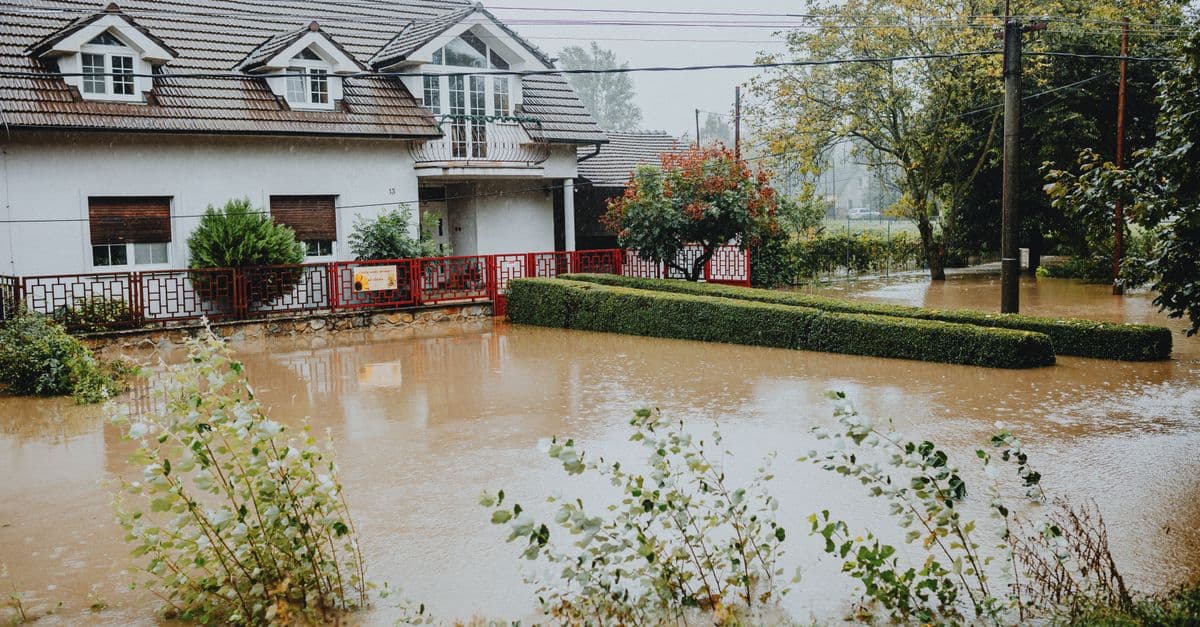
Water damage restoration SEO is won or lost in minutes. When a house floods at 3am, the company that ranks and answers first gets the job. Here is how Australian restorers capture emergency and insurance work from Google.
A burst pipe at 3am does not wait for business hours. The homeowner is standing in ankle-deep water with a phone in one hand, typing "water damage restoration near me" or "emergency flood cleanup", and they will call the first company that ranks, answers, and says "we can be there in an hour". There is no comparison shopping. There is no quote round. There is only who shows up in the results and who picks up the phone.
That makes water damage restoration SEO the purest emergency game in local search. Almost nobody searches for a restorer before they need one, demand surges violently with storms and floods, and the entire buying decision compresses into minutes. Ranking is the ticket to play, and speed of response decides the winner among everyone who ranked.
This guide covers how emergency restoration searches behave, why speed-to-lead is half the strategy, storm season surges by region, the insurance-panel versus direct-to-consumer split, service-area pages across a metro, the anatomy of an emergency page that converts at 3am, and the AI search layer now naming restorers directly. If you want to know where your site stands, book a free website audit and we will send back a prioritised fix list. For how we work with restoration companies, see our water damage SEO page.
TL;DR
- Water damage restoration SEO is pure emergency search: nobody researches restorers in advance, demand spikes with weather, and the first credible company to rank and answer wins the job.
- Speed-to-lead decides the winner among everyone who ranks. A 24/7 answered phone is as much a part of your SEO as any page.
- Storm surges are regional and seasonal: cyclone and storm season in the north from November to April, east coast lows and winter rain in the south. Pages must be live weeks before the season.
- Insurance-panel work and direct-to-consumer work are different acquisition channels, and SEO builds the direct channel that panel-dependent restorers lack.
- Service-area pages across a metro capture "water damage restoration [suburb]" searches that a single homepage never will.
- Reviews that name response times ("arrived within the hour") are the strongest conversion asset in the industry, and AI engines quote them when recommending restorers.
How restoration customers actually search
Restoration search behaviour has almost no research phase. Compare it with the trades: a homeowner planning a bathroom renovation researches for months, and even a roof leak might wait a day. Water damage waits for nobody. Every hour of saturation means more damage, and homeowners know it instinctively.
So the search patterns look like this:
- Pure emergency: "water damage restoration near me", "emergency water extraction", "flooded house who to call". Mobile, panicked, ready to call now.
- Post-event: "carpet drying after flood", "how to dry out walls after water leak", "mould after water damage". Hours to days after the event, often while an insurance claim forms up.
- Insurance-adjacent: "water damage insurance claim process", "does insurance cover burst pipe damage", "make safe water damage". Searchers navigating a claim who need a restorer that speaks insurance.
Each pattern needs its own page. The pure emergency page wins the phone call. The post-event and insurance content wins the slower jobs and, just as importantly, builds the topical depth that helps the emergency page rank in the first place. See our note on topical authority for why depth on one subject lifts every page in the cluster.
Speed-to-lead: half the strategy is off the website
Here is the uncomfortable truth about restoration SEO: ranking first and answering second loses to ranking third and answering first. The 3am searcher calls down the results list until a human answers. If that is not you, your ranking just generated a lead for your competitor.
We wrote a full breakdown in speed-to-lead for service businesses, and restoration is its most extreme case. The essentials:
- A phone that is genuinely answered 24/7. An answering service briefed on restoration beats voicemail by miles. Voicemail at 3am is a lost job, every time.
- Click-to-call everywhere. The number in the first screen of every page, tappable, repeated after each section.
- State your response time and honour it. "On site within 60 minutes across [city], 24/7" is the single most persuasive sentence a restoration website can carry, if it is true.
- Answer form leads in minutes, not hours. Some stressed searchers fill forms instead of calling. Treat those with the same urgency.
Build this before spending another dollar on rankings, because every ranking improvement multiplies through whatever answer rate you have.
→ 84% of top-rated restorers never get named by AI. A free audit tells you which side you're on. Get the free AI audit.
Storm season surges: the regional calendar
Restoration demand is weather-shaped, and Australia's weather runs on regional clocks. Northern Australia and Queensland run a storm and cyclone season from roughly November to April, when severe thunderstorms, cyclones, and monsoonal rain drive flooding events. The east coast cops east coast lows that can dump enormous rain totals with little warning. The southern states lean toward winter rain and burst-pipe cold snaps.
The SEO implication is the same one roofers face, and it is covered in depth in our roofing SEO guide: pages cannot be published during the event and rank that afternoon. Google needs weeks to trust a page. So the build happens in the calm months:
| Region | Peak demand driver | Have pages live by |
|---|---|---|
| QLD and northern Australia | Storm and cyclone season, summer flooding | September to October |
| NSW and southeast QLD coast | East coast lows, summer storms | Early spring |
| VIC, SA, TAS | Winter rain, burst pipes in cold snaps | Autumn |
| Flood-prone corridors anywhere | Riverine flooding after sustained rain | Always on |
During a declared event, update your existing pages rather than launching new ones: current availability, affected suburbs you are servicing, realistic wait times. Honest scarcity ("high demand, currently reaching new jobs within 4 hours") converts better than silence and protects your reviews from broken promises.
Insurance-panel work versus direct-to-consumer
Restoration companies grow through two very different channels, and your SEO strategy depends on which mix you want.
Panel work comes through insurers and builders: steady volume, negotiated rates, someone else owns the customer. Plenty of restorers live entirely on panels, which means one delisting or rate cut can gut the business overnight.
Direct work comes from the homeowner or business calling you first: better margins, you own the relationship, and you often end up recommended into the claim rather than assigned by it. Direct work is exactly what SEO builds, and it is the channel panel-dependent restorers are missing.
The two feed each other. A restorer with strong direct demand negotiates with panels from strength instead of dependence. And a dedicated insurance-process page serves both: explain how you document damage, produce moisture readings and drying logs, provide reports insurers accept, and handle make-safe work. Be factual about process rather than promising claim outcomes, because the claim decision belongs to the insurer. Homeowners mid-claim are searching for a restorer who makes the insurance side painless, and very few restoration sites answer that search directly.
Service-area pages across a metro
A restoration company covering a whole metro from one depot still gets found suburb by suburb, because that is how people search: "water damage restoration Penrith", "flood cleanup Logan", "carpet drying Frankston". One homepage cannot rank across a hundred suburbs. A structured set of service-area pages can.
Build pages for the 15 to 25 areas that matter most, prioritised by flood-prone corridors, older housing stock with ageing plumbing, and the areas you can genuinely reach fastest. Each page needs local substance:
- Realistic response time to that area from your base, stated plainly
- The water issues that area actually sees (river flooding, storm runoff, unit complexes with shared plumbing)
- Jobs completed nearby, described specifically
- Reviews from that area, quoted with permission
Thin duplicates with swapped suburb names will not rank and will not convince a panicked homeowner. Fewer, deeper pages win. And keep every page fast, because a 3am searcher on mobile abandons a slow site in seconds. If your current site cannot be made fast, our web design service builds emergency-ready sites with this structure baked in.
When a flooded floor at 3am, whose name does AI give?
Anatomy of an emergency page that converts at 3am
Your emergency water damage page is the most valuable page on your site, and it should be built for a panicked person on a phone, standing in water, with one thumb free.
First screen, before any scrolling: what you do, where you do it, how fast you arrive, and a tappable phone number. "Emergency water damage restoration across [city]. On site within 60 minutes, 24 hours a day." Then the number, big.
Immediately after: what to do right now while waiting. Turn off the water at the mains if safe. Kill power to affected areas if safe. Move what you can. Do not use household vacuums on water. This section converts because it proves expertise and calms panic, and it is precisely the content AI engines quote for "what to do when your house floods".
Then, briefly: your process (assess, extract, dry, monitor, restore), the equipment involved in plain English, insurance help, and real reviews that mention response times.
Throughout: the phone number repeated after every section. No hero videos, no sliders, no popups, nothing that slows the page or blocks the number.
Reviews that name the response time
Restoration reviews carry one detail no other proof can fake: how fast you actually showed up. "Called at 2am, truck here by 3" does more selling than any page copy, because it answers the only question the emergency searcher has.
Build the system to harvest that detail:
- Request the review by SMS within 24 to 48 hours of the job wrapping, with a direct Google review link, while the relief is fresh.
- Nudge without scripting: "if you mention how quickly we got there, it helps the next family in a flood".
- Reply to every review naming the suburb and job type naturally ("Glad we caught the slab leak in Mawson Lakes before it spread").
- Never incentivise or gate reviews. Google's policies are strict and the profile is your whole emergency channel.
Velocity matters as much as volume, and after a major weather event it matters more, because a burst of recent reviews naming affected suburbs feeds exactly the local relevance signals you want. Consistent business details across directories reinforce all of it, covered in our local citations guide.
Google Business Profile for restorers
Restoration companies are service-area businesses: you go to the disaster, it does not come to you. Hide the depot address if customers never visit, define honest service areas that match your real response capability, and set your primary category to Water damage restoration service, with genuine secondaries like Fire damage restoration service only if you offer them.
Two restoration-specific points. First, mark your hours as 24 hours if the phone is truly answered around the clock, because searchers filter on "open now" at 3am and Google shows it prominently. Second, keep photos flowing: extraction gear in use, drying setups, moisture meters, trucks. The broader setup is in our Google Business Profile optimisation guide.
The AI search layer for restoration
Flooded homeowners now ask ChatGPT and Google's AI results "what do I do, my house is flooding" and "emergency water damage company near me open now". The answers include step-by-step advice and, increasingly, named companies.
Which restorers get named comes down to signals you control: review volume and recency with those response-time mentions, consistent listings, emergency pages that answer questions in their opening sentences, and clean structured data, see our schema markup glossary entry. The what-to-do-right-now content on your emergency page is prime citation material because it mirrors the exact prompts panicked people type. How the engines choose businesses is covered in how ChatGPT recommends businesses, and building for those citations deliberately is what our AI SEO service exists for.
The restoration takeaway: an AI engine that quotes your make-safe advice at 3am and names your company underneath it has effectively answered the phone for you. The companies earning those citations now will own the channel before most of the industry notices it exists.
84% of top-rated restorers are invisible to AI. Are you?
Most restorers never find out they lost the job, because AI answered before the customer ever searched. Our free AI SEO audit for restoration companies shows you exactly where you stand today.
Get the free AI audit →Frequently asked questions
How long does water damage restoration SEO take to work?
Expect early movement in 2 to 3 months and meaningful call flow in 4 to 6 months for an established site. The seasonal deadline matters more than the average: pages need to be live and settled 6 to 8 weeks before your region's storm season, so northern companies should build by September or October, not December.
What are the most valuable keywords for a restoration company?
Emergency terms with local intent deliver the best jobs: "water damage restoration [city]", "emergency flood cleanup [suburb]", "burst pipe water damage near me", plus insurance-adjacent terms like "water damage insurance claim help". Broad national terms bring traffic outside your service area that can never become a job.
How do restoration companies get insurance work through SEO?
Build a dedicated page explaining your insurance process: documentation, moisture readings, drying logs, reports, and make-safe work, then support it with content answering common claim questions. Homeowners mid-claim search for restorers who make the insurance side easy, and strong direct demand also improves your negotiating position with insurer panels.
Do service-area pages actually work for restoration companies?
Yes, when they carry real substance: honest response times to that area, local water risks, jobs completed nearby, and reviews from that suburb. People search "water damage restoration [suburb]", and a single homepage cannot rank across a whole metro. Fifteen deep pages beat fifty thin duplicates.
Why is speed-to-lead so important in restoration marketing?
Because emergency searchers call down the results list until a human answers, ranking well and answering slowly hands your leads to competitors. A genuinely 24/7 answered phone, click-to-call on every page, and a stated response time you honour multiply the value of every ranking you earn.
Does AI search matter for restoration companies yet?
Yes. Panicked homeowners ask ChatGPT and Google's AI results what to do and who to call, and the engines quote step-by-step advice and name companies with strong reviews, consistent listings, and direct-answer emergency content. Restorers building those signals now get recommended at the exact moment of need, ahead of competitors who have not started.
The next storm season is already on the calendar, and the rankings that will capture it are being built now. Book a free website audit and we will send back a prioritised list of what your site is missing before the weather turns, or see how we work with restoration companies on our water damage SEO page.