

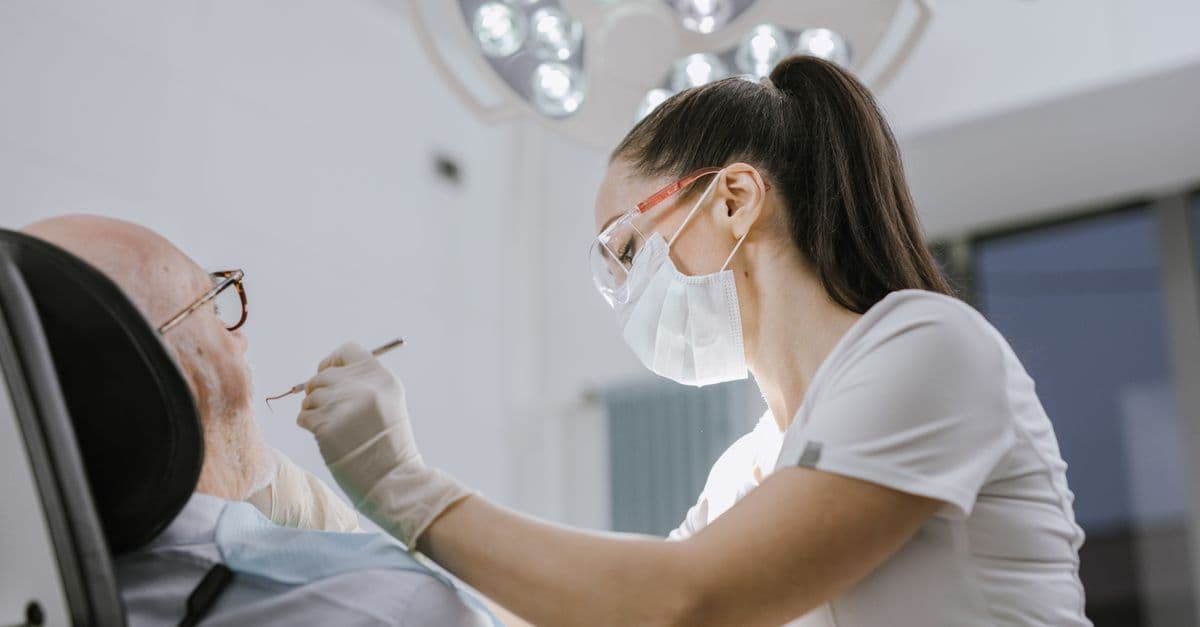
Google Ads for dentists, done properly: the treatments worth targeting, campaign types, ad copy that stays AHPRA-safe, booking pages, and budgets.
Google Ads for dentists works because most people only look for a dentist when they already want one-whether that's a parent searching "dentist near me" for an overdue check-up, someone in pain typing "emergency dentist tonight", or an adult quietly researching "Invisalign cost" before they commit. Done well, a Google Ads campaign puts your practice at the top of those searches and sends ready-to-book patients to a page designed to turn them into appointments. This guide covers why paid search suits dental practices, the high-value treatments worth targeting, the campaign types to use, keywords and negatives, ad copy that stays on the right side of AHPRA, landing pages and booking, call tracking, and indicative costs in the Australian market.
The flip side is that dental keywords can be expensive and competitive, and a loosely built account drains budget quickly. The gap between a campaign that fills your book and one that quietly bleeds money comes down to structure, targeting, and what happens after the click.
TL;DR
- Google Ads for dentists works because people only search for a dentist when they already want one, and paid search captures both urgent emergencies and considered treatment research at the moment of intent.
- Weight budget toward the high-value treatments: dental implants, Invisalign and clear aligners, emergency dental, and check-ups that open long-term patient relationships, each with its own ad group and matched landing page.
- Build on Search campaigns first, add call ads for emergency and high-intent terms, and layer in Performance Max only once conversion tracking is solid.
- Negative keywords are non-negotiable: block DIY, jobs, courses and information-only searches, and review the search terms report weekly.
- Ad copy must stay AHPRA-aware: no misleading claims, no outcome guarantees, no clinical testimonials; honest, factual copy about availability, credentials and services tends to convert better anyway.
- Send clicks to treatment-matched landing pages with online booking and click-to-call above the fold, never the homepage, and track every call and appointment so you optimise on patients, not clicks.
- Indicative Australian costs: roughly $6 to $25+ per click, $80 to $300+ per new patient, and starter budgets around $1,500 to $3,500 per month.
Why Google Ads Work So Well for Dental Practices
Dental demand is a mix of urgent need and considered research, and Google Ads captures both. Someone with a broken tooth wants help today; someone weighing up clear aligners might research for weeks. Either way, they turn to search, and that's where your practice can appear at the exact moment of intent.
Three things work in a dental practice's favour:
- High patient lifetime value. A new patient isn't a single visit-they often return for check-ups, hygiene, and treatment over years, and may bring family with them. That makes a healthy cost per new patient easy to justify.
- Local, mobile-first searches. A large share of dental queries come from a phone with "near me" attached, which rewards advertisers who appear instantly with a tap-to-call number and an easy booking option.
- A blend of urgent and high-value work. Emergencies book fast, while treatments like implants and orthodontics carry high margins that comfortably absorb advertising costs.
Unlike SEO, which builds over months, Google Ads can switch on the same day. That makes it the quickest way to fill a quiet diary or promote a new service. You can see how we approach the field on our dentists we help page, and for the bigger marketing picture our dental practice marketing guide ties paid ads in with the rest of your channels.
High-Value Treatments Worth Targeting
Not every search is worth the same to your practice. The smartest dental accounts weight budget toward the treatments that drive the most value, while still capturing the everyday work that builds a loyal patient base.
The treatment groups that usually deserve their own campaigns or ad groups:
- Dental implants. High-value, high-consideration, and often researched over time. Implant searchers are comparing providers, so trust and credibility matter as much as the click.
- Invisalign and clear aligners. Strong demand among adults, high treatment value, and a long research window-ideal for a dedicated landing page that answers cost and process questions.
- Emergency dental. Urgent intent and fast bookings. "Emergency dentist near me" and "toothache dentist" convert quickly when you can offer same-day appointments.
- Check-ups and hygiene. Lower value per visit, but the front door to long-term patient relationships and the recurring revenue that follows.
A practical structure is to run separate ad groups or campaigns for implants, clear aligners, emergency, and general check-ups, each with matched ad copy and its own landing page. Grouping this way keeps your messaging relevant, lifts Quality Score, and lets you see which treatments actually return.
Be the dental practice AI recommends
The Campaign Types That Suit Dentists
Not every Google Ads format earns its keep for a dental practice. Three matter most.
Search campaigns
The backbone. Text ads appear when someone searches a relevant term, and you bid on those keywords. Search is where both emergency intent and treatment research live, so it should usually anchor any dental account and take the bulk of early budget.
Performance Max
Performance Max (PMax) uses Google's automation to serve ads across Search, Maps, YouTube, Display, and Gmail from one campaign. It can extend reach and capture demand your keywords miss, but it offers less control and can waste spend without strong assets and clean conversion data. Treat it as a complement to Search-layered in later, once your tracking is solid-rather than a starting point.
Call ads
Call-only ads show your phone number instead of a website link and are built for mobile searchers who want to talk to someone now. For emergency dental and busy practices that book over the phone, call ads can be among your highest-converting placements, because they cut out the website step entirely.
A sensible starting structure for most practices is a tightly built Search campaign with call ads for emergency and high-intent terms, then Performance Max added once you have conversion data to guide it.
Keywords and Negative Keywords
Your keyword list decides who sees your ads; your negative list decides who doesn't. Both matter equally, and dental keywords are expensive enough that discipline pays off fast.
Focus your bids on intent-rich terms grouped by treatment and urgency:
- Emergency intent: emergency dentist, dentist near me open now, toothache dentist, broken tooth repair
- Treatment-specific: dental implants, Invisalign, clear aligners, teeth whitening, wisdom teeth removal
- General and local: dentist + suburb or city, dental check up, family dentist, dentist near me
Match types are your control dial. Phrase and exact match keep you tighter and cheaper; broad match reaches more people but needs careful watching. Many dental accounts do well leaning on phrase and exact match early, then testing broad match once negatives are doing their job.
Negative keywords are non-negotiable. Without them you'll pay for clicks from people who will never book. Common negatives for dentists include:
- DIY and information-only: how to, home remedy, DIY, symptoms, causes
- Jobs and training: jobs, dental assistant course, dentistry degree, salary, hiring
- Free and bulk-billing-only seekers (where relevant): free, bulk billed, cheapest
- Unrelated services: dentures repair shop, dental supplies, dental nurse
Review your search terms report weekly in the early stages and keep adding negatives. This one habit saves more wasted spend than almost anything else in the account.
Ad Copy That Stays AHPRA-Aware
Dental ads carry a responsibility most trades don't: as a registered health service, your advertising must comply with AHPRA and the National Law. That means no misleading or deceptive claims, no creating unreasonable expectations of benefit, no using testimonials about clinical aspects of care, and no offers that might encourage unnecessary treatment. Strong dental ads work within those rules-and the good news is that honest, specific copy tends to convert better anyway.
Angles that perform while staying compliant:
- Availability and convenience ("same-day emergency appointments", "open Saturdays", "online booking")
- Genuine, verifiable credentials ("experienced local team", "modern, comfortable practice")
- Clear, factual service information ("implants, Invisalign, general dentistry")
- A clear call to action ("book your appointment online" or "call to book")
What to avoid: superlatives you can't substantiate ("best dentist", "painless"), guarantees of outcomes, before-and-after style promises, patient testimonials about treatment, and anything that pressures someone toward elective work. If a claim could create an unreasonable expectation, leave it out.
Use ad assets (formerly extensions) to expand your ad and lift click-through at no extra cost:
- Call assets so mobile users tap straight through-essential for emergencies.
- Location assets to show you're local and nearby.
- Sitelink assets pointing to specific services (implants, Invisalign, check-ups, emergency).
- Callout assets for factual points (online booking, parking available, open Saturdays).
→ Quick check: when a cracked tooth on a Saturday, is your dental practice the one AI names? Find out free. Get the free AI audit.
Landing Pages and Booking
Sending paid clicks to your homepage is one of the most common ways practices waste budget. A dedicated landing page that matches the ad converts far better, and a frictionless booking step seals it.
A high-converting dental landing page should have:
- A headline that matches the search (if the ad says "dental implants", so should the page).
- An online booking button and a click-to-call number above the fold, visible without scrolling on mobile.
- Clear, factual reassurance-your team, your practice, what to expect-without overstated claims.
- Treatment-specific information answering the questions that searcher actually has (process, what's involved, typical next steps).
- A short enquiry form as a backup to booking or calling, asking only what you need.
- Fast load speed, because a slow page loses impatient mobile searchers.
Match the page to the campaign: implant ads land on an implant page, emergency ads on an emergency page. The smoother the path from ad to booked appointment-ideally with real-time online booking-the higher your conversion rate, and relevance also lifts Quality Score, which lowers what you pay per click.
Call Tracking and Measurement
If you can't see which calls and bookings came from which ads, you're flying blind. Tracking is what turns Google Ads from a gamble into a managed channel-and for dental, where many patients still book by phone, call tracking is essential.
Set up at minimum:
- Call conversion tracking through Google Ads call assets and call ads, so calls from your ads register as conversions.
- Website call tracking that records calls made from your landing page after a click.
- Booking and form conversion tracking for appointments made online or via an enquiry form.
With this in place you can see your true cost per new patient, shift budget toward the treatments and keywords that book real appointments, and cut the ones that don't. Without it, you're optimising on clicks instead of patients-and clicks don't fill chairs. Feeding accurate conversion data back into Google also makes its automated bidding far smarter over time.
Budget and Cost (Indicative AUD Ranges)
Costs vary widely by city, competition, and the treatments you target, so treat the figures below as typical ranges rather than fixed prices. Implant, Invisalign, and metro keywords sit at the higher end; general check-up and suburban terms are often cheaper.
| What | Typical AUD range | Notes |
|---|---|---|
| Cost per click (Search) | ~$6-$25+ | Implant and Invisalign terms run highest |
| Cost per lead (enquiry/call) | ~$40-$150+ | Varies by treatment and location |
| Cost per new patient | ~$80-$300+ | Higher for implants and orthodontics |
| Starter monthly ad spend | ~$1,500-$3,500 | Enough to gather data in most markets |
| Competitive metro spend | ~$3,500-$10,000+ | Bigger cities and high-value niches |
| Management fee | ~$500-$1,500/month or % of spend | If using an agency |
A practical way to set your budget is to work backwards from patient value. If a new patient is worth well over a thousand dollars in lifetime treatment, even a cost per new patient in the hundreds returns comfortably. Start with enough budget to gather meaningful data-too little and the campaign never gets the volume to optimise-then scale the parts that work.
Common Mistakes Dentists Make with Google Ads
Most underperforming dental accounts share the same handful of problems:
- Sending traffic to the homepage instead of a dedicated, treatment-matched landing page.
- Ignoring negative keywords, so budget leaks on DIY, jobs, and information-only searches.
- No call or booking tracking, which makes it impossible to know what's actually working.
- Non-compliant ad copy-superlatives, guarantees, or testimonials that risk an AHPRA breach.
- Treating every treatment the same instead of separating high-value implants and aligners from general check-ups.
- No easy booking step, forcing motivated patients through friction they'll abandon.
- Pausing too early. Campaigns need a few weeks of data before judging them fairly.
Avoid these and you're already ahead of most practices bidding in your area.
Find out if AI recommends your dental practice
Most dentists never find out they lost the job, because AI answered before the customer ever searched. Our free AI SEO audit for dental practices shows you exactly where you stand today.
Get the free AI audit →Frequently Asked Questions
How much do Google Ads cost for dentists in Australia?
It depends on your city and the treatments you target, but many practices start with around $1,500 to $3,500 per month in ad spend to gather meaningful data, with competitive metro markets running higher. Cost per click on implant and Invisalign terms is typically among the highest in dentistry, which is why tight targeting and strong landing pages matter so much.
What dental treatments should I advertise on Google Ads?
A good mix is high-value treatments like dental implants and clear aligners, urgent services like emergency dental, and everyday check-ups that build long-term patient relationships. Giving each its own ad group and matched landing page keeps your messaging relevant and shows you which treatments actually return.
Are Google Ads compliant with AHPRA advertising rules?
They can be, provided your copy follows the National Law and AHPRA guidelines-no misleading or deceptive claims, no guarantees of outcomes, no clinical testimonials, and nothing that encourages unnecessary treatment. Honest, factual ads that focus on availability, genuine credentials, and clear service information both comply and tend to convert well.
Are Google Ads or SEO better for dentists?
They do different jobs. Google Ads delivers new patient enquiries almost immediately and is ideal for emergencies and promoting specific treatments, while SEO builds compounding, lower-cost traffic over months. Most practices get the best result running both-ads for speed, SEO for long-term value.
The Bottom Line
Google Ads for dentists is one of the fastest, most reliable ways to turn high-intent searches into booked appointments-provided the account is built properly and your advertising stays compliant. Separate your high-value treatments from everyday check-ups, protect your spend with negative keywords, keep your copy honest and AHPRA-aware, send clicks to matched pages with easy booking, and track every call and appointment so you know exactly what's working. Get those fundamentals right and paid search becomes a tap you can turn up whenever you want more patients.
If you'd like to see how your website stacks up before pouring money into ads, grab a free website audit and we'll show you what's helping and hurting your conversions.